
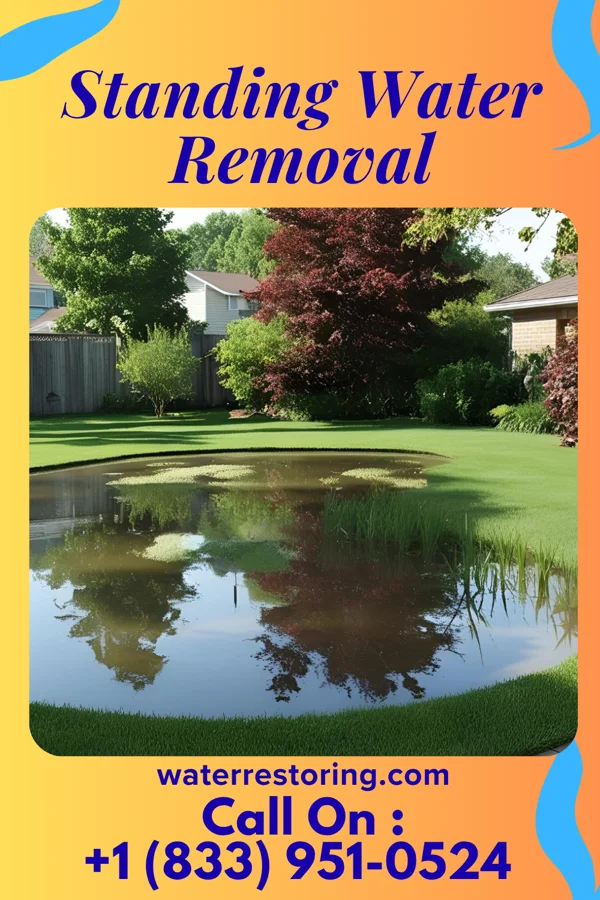
Raft Island Standing Water Drivers
Water damage in Raft Island tends to cluster in predictable windows because of the local climate. Raft Island, Washington, is prone to water damage due to its location near the Kitsap Peninsula and proximity to tidal influences, which can lead to flooding during high tides or heavy rainfall. Additionally, the island's rural setting and limited drainage systems increase the risk of standing water accumulation after storms. A close second is Secondary causes include leaking septic tanks, burst pipes in older homes, and groundwater seepage through porous soil. The island's unique geography also means that water can pool in low-lying areas, causing prolonged exposure to moisture..
Raft Island experiences a temperate marine climate with frequent rainfall and high humidity, which accelerates mold growth and complicates water damage restoration. The island's coastal location also exposes it to saltwater intrusion, increasing corrosion risks.
Raft Island experiences a temperate marine climate with frequent rainfall and high humidity, which accelerates mold growth and complicates water damage restoration. The island's coastal location also exposes it to saltwater intrusion, increasing corrosion risks. The dominant local driver is Raft Island, Washington, is prone to water damage due to its location near the Kitsap Peninsula and proximity to tidal influences, which can lead to flooding during high tides or heavy rainfall. Additionally, the island's rural setting and limited drainage systems increase the risk of standing water accumulation after storms., with Secondary causes include leaking septic tanks, burst pipes in older homes, and groundwater seepage through porous soil. The island's unique geography also means that water can pool in low-lying areas, causing prolonged exposure to moisture. showing up as the next most common cause. Damage builds in stages. Spread. Absorption. Microbial growth. Structural compromise. Every stage you pass through adds to the final bill.